
Phased exterior work
Sequence exterior repairs without losing the property-wide plan
Plan stucco work by elevation around priorities, access, finish continuity, weather, occupied use, and future phase records.
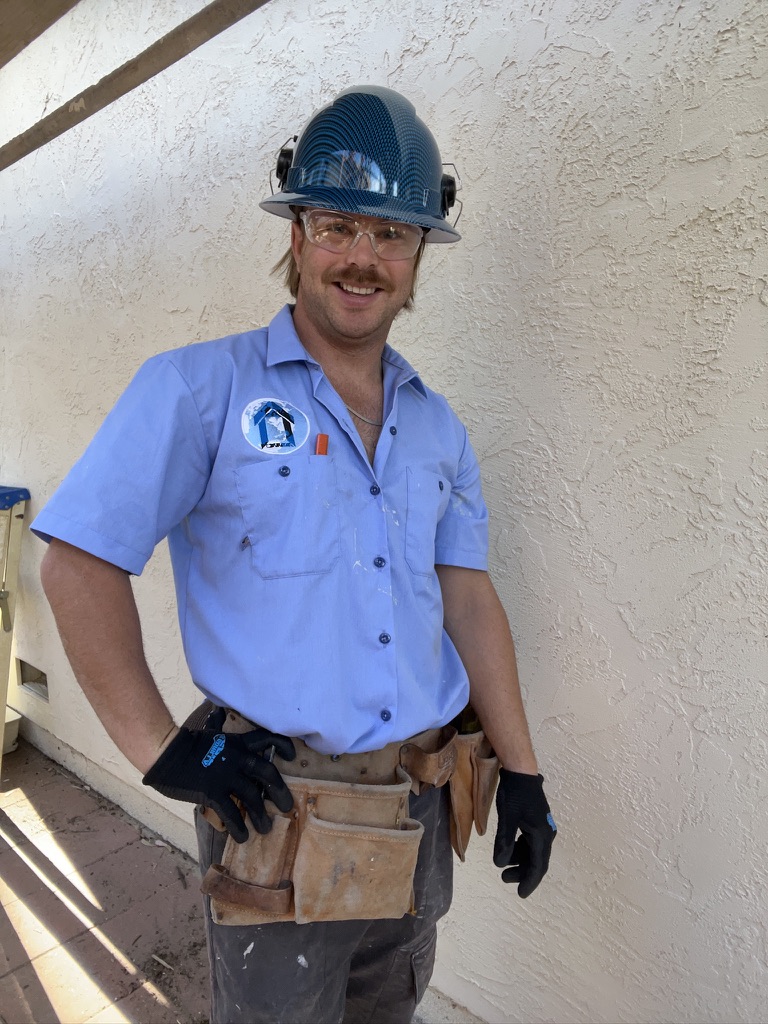
From All World Construction LLC
Owner Austin Mitchell · About AWC · Verify CSLB #1063936 · Updated
Repairing every elevation at once may not fit the property schedule, access, or budget. Phasing can make a large exterior project manageable, but it can also create repeated mobilization, changing finish relationships, and gaps between urgent repairs and deferred walls. A useful phase plan begins with one property-wide condition map, then divides work by decisions that can be completed and closed responsibly.
Set priorities before drawing phases
Separate active damage, water-related concerns, loose material, access-dependent work, finish-only issues, maintenance, and areas still under observation. Priority should follow verified conditions and property needs rather than which elevation is easiest to see.
Record dependencies on roofing, windows, waterproofing, decks, drainage, electrical equipment, paint, landscape work, or another project. A stucco phase should not close an interface that another approved investigation still needs to access.
- Start with one map covering all elevations.
- Name the reason each area enters its phase.
- Identify other trades and release points before sequencing.
Build complete phase boundaries
Each phase should have a defined repair area, access plan, protection, investigation allowance or decision point, finish boundary, cleanup, closeout, and exclusions. Avoid phases made only of an open-ended dollar allowance spread across the property.
Use corners, joints, bands, plane changes, and coherent elevations when they support manageable finish limits. If a phase stops mid-wall, document the expected visual transition and how the later phase will connect.
Account for repeated and changing conditions
Phasing can repeat mobilization, access setup, protection, samples, cleaning, and coordination. Later conditions, material availability, weathering, coating age, or product changes may affect cost and appearance. The proposal should not imply that a future phase is locked to today’s price or exact visual result.
Preserve approved samples, color records, repair maps, product information, photographs, and closeout notes. Those records give a later contractor a useful basis, even though the future field condition must still be reviewed.
Close one phase without declaring the exterior complete
Walk the completed elevation, protection route, and adjoining deferred boundaries. When field verification is needed, AWC offers a $250 Site Evaluation + Written Bid Package. The $250 is credited back when the quoted work is approved within 30 days.
The phase record should state completed repairs, finish areas, remaining restrictions, deferred conditions, maintenance, and the current plan for later elevations. Customer communication should describe the completed phase accurately without suggesting that unreviewed walls received the same repair or condition finding.
Planning checklist
- All elevations appear on one starting condition map.
- Priority reasons and trade dependencies are recorded.
- Each phase has a complete physical and finish boundary.
- Repeated access and protection costs are visible.
- Samples and product records are preserved for later work.
- Closeout distinguishes completed and deferred elevations.
Common questions
Is it reasonable to repair one elevation at a time?
Yes when each phase has a complete scope and the property-wide priorities, interfaces, finish limits, and deferred conditions remain documented.
Will a later phase match the first exactly?
That cannot be promised because weathering, materials, products, application, and existing surfaces may change.
Does completing Phase 1 confirm the other walls are sound?
No. Closeout should limit findings and completed work to the areas actually evaluated and repaired.
Related AWC field context
AWC company article
Behind AWC: The Part of Contracting You Don’t Usually See
A look at the coordination and documentation behind field work.
AWC field guide
What HOA Boards and Property Managers Should Ask for in a Stucco Repair Proposal
Questions that clarify repair boundaries, finish expectations, exclusions, access, and documentation.