
Condition
What is visible, and what history remains unknown?
Stucco project planning · Rancho Santa Fe
A good stucco scope covers the damaged area and how the repair will meet the existing wall. AWC defines repair limits, texture, paint and property protection before approval.
A useful first messageSend the full elevation, the damage and an angled view of the existing texture.
See the stucco opening and repair stages →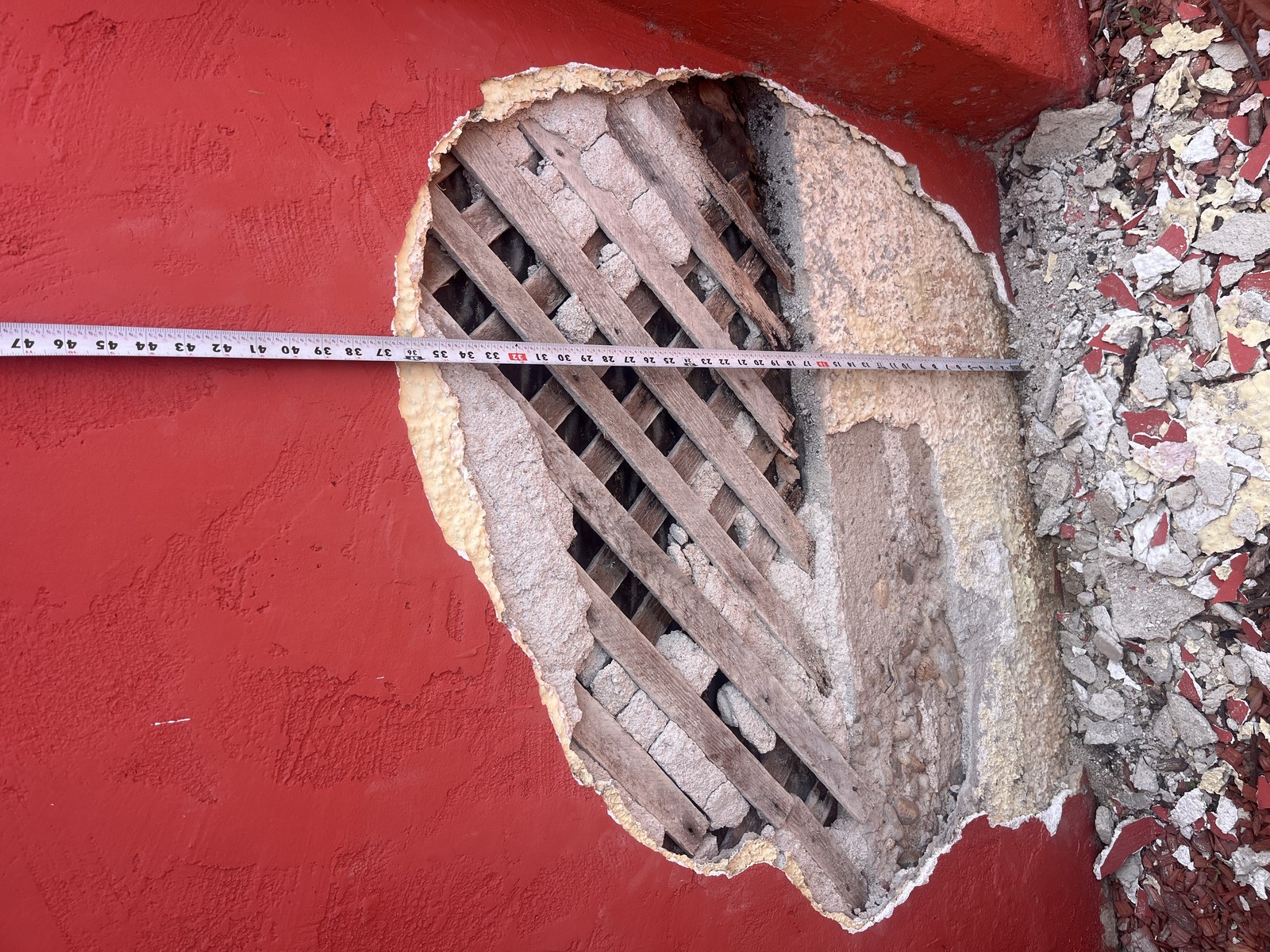
Problem → scope
A sound repair can still look unfinished when texture, coating, corners, joints, and wall planes are scoped too late. Start with the visible condition, then define the practical finish boundary.
What is visible, and what history remains unknown?
Is the concern local, connected, or across a wall plane?
Which wall layers and adjoining transitions can be verified?
Where should texture and coating transitions reasonably stop?
Finish-sample study
This conceptual sample board names the finish decisions that belong in the proposal. It represents scope choices, not a promise of exact matching.
Open the finish-scope planner →Documented AWC company work
A documented South Park stucco repair shows how opening dimensions, exposed conditions, texture blending, and paint scope should be treated as separate decisions.
Read the case study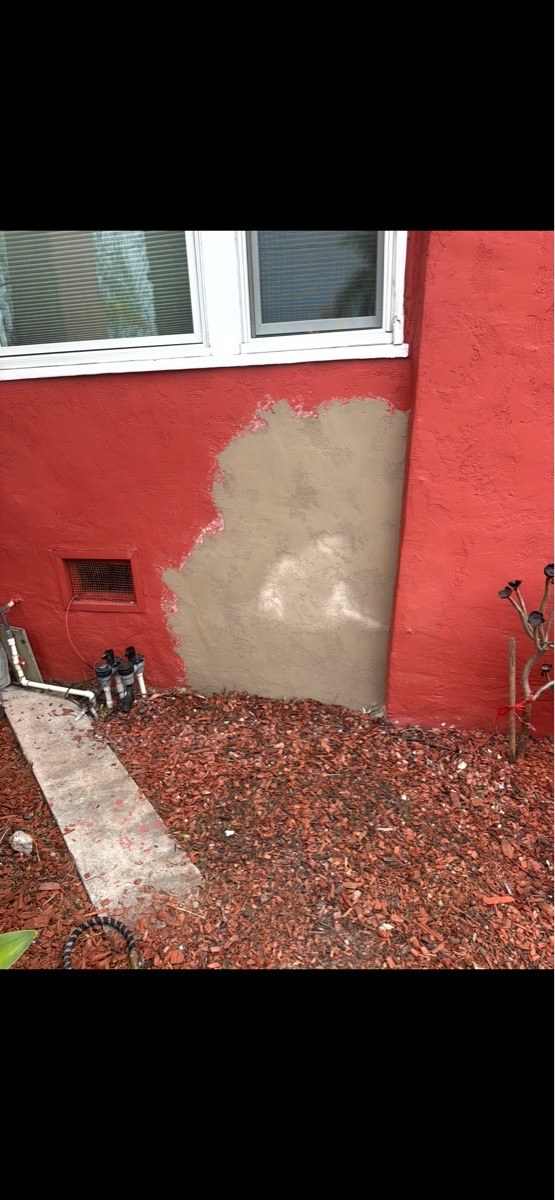
From AWC’s field library
See AWC field context for source repair, wall layers, protection, coating, and the handoffs that shape a finished stucco repair.
AWC field video
A short visual reference for the lath layer behind a stucco finish; general context, not case evidence.
Watch directly on YouTube ↗AWC field guide
A practical comparison of localized repair, broader recoating, and full restucco decisions.
AWC field guide
Why a visible crack should be documented without treating the finish as automatic cause proof.
Stucco project planning library
Use the guides to prepare better photos and questions. Field conditions and the written proposal still control the actual work.
Repair-area planning
Build a wall-by-wall stucco condition map that separates observed damage, investigation areas, repair limits, and finish expectations.
Texture decisions
Plan stucco texture samples around the existing wall, viewing distance, lighting, coating, approval authority, and documented acceptance.
Finish-boundary review
Compare patch, panel, corner, and elevation finish boundaries in changing daylight before approving the visible repair result.
Stucco and paint coordination
Define preparation, primer, paint limits, retained coatings, sealant interfaces, color decisions, and acceptance after stucco repair.
Property protection
Coordinate stucco access, staging, landscaping, paving, outdoor areas, occupants, pets, debris, and daily property use.
Phased exterior work
Plan stucco work by elevation around priorities, access, finish continuity, weather, occupied use, and future phase records.
Proposal comparison
Review stucco proposals by condition map, investigation, repair assembly, access, texture, coating, exclusions, changes, and closeout.
Crack-history review
Document crack timing, change, moisture reports, prior repairs, connected materials, and substrate unknowns before selecting a stucco scope.
New owner guide
What should I compare in two stucco repair estimates? Compare the same marked repair area and the same physical stages: removal, exposed-condition review, applicable water-barrier and lath work, stucco, texture and coating. Include access, protection and how concealed damage is handled. A finish-only patch and an assembly repair are different scopes, even when both proposals simply say stucco repair.
Read the guide